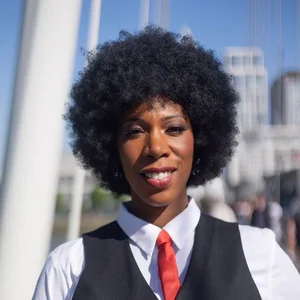
Why Your Body Craves Pain
The Nervous System Science Behind Pleasure and Release
By Miss Erica Storm - Kink therapist & psychosexual specialist - 5 min read
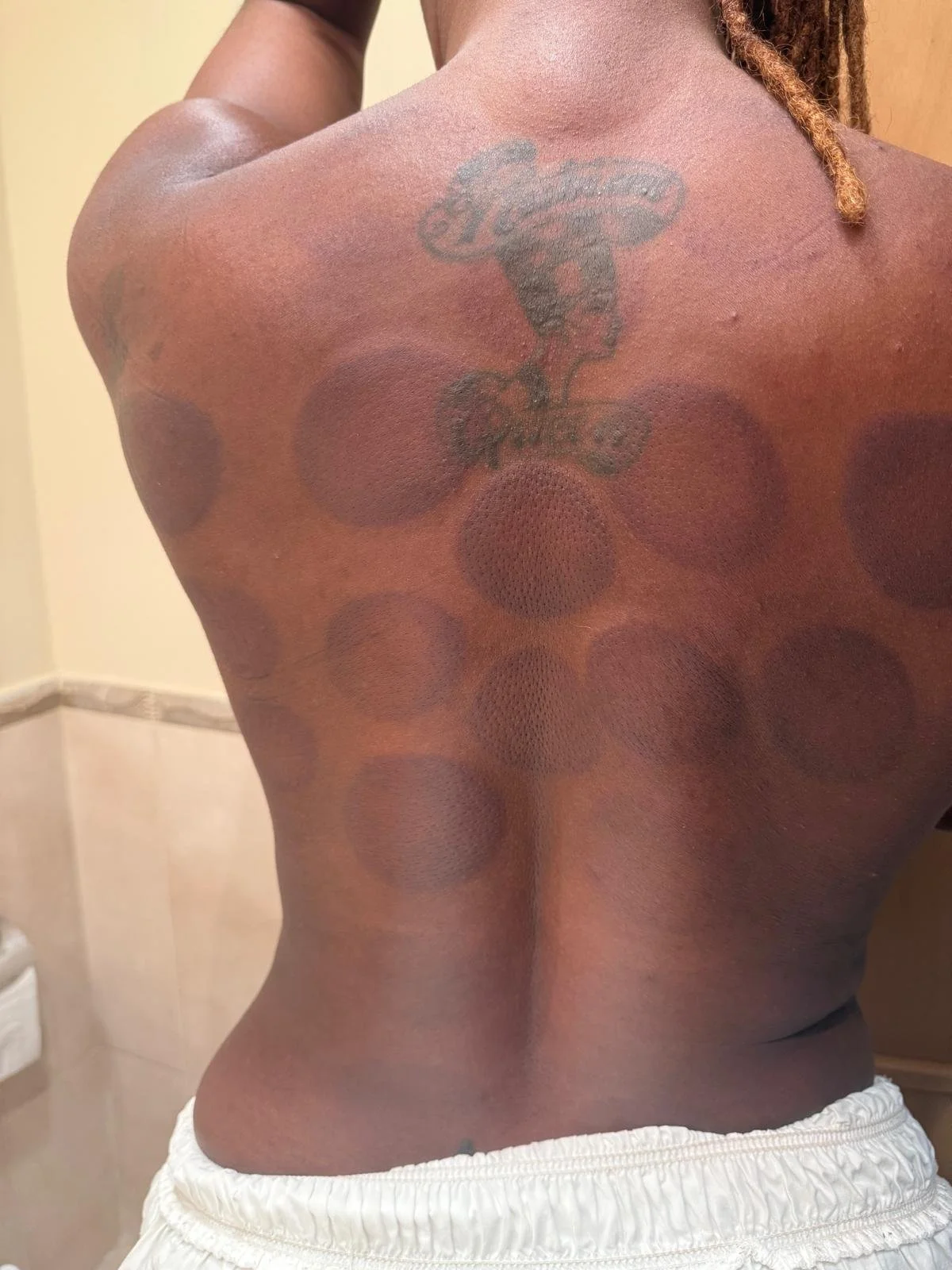
Cupping therapy marks on a woman’s back - the physical evidence of pain and release explored by Kink therapist Miss Erica Storm
I was lying on a massage table when I understood something I’ve known professionally for over two decades.
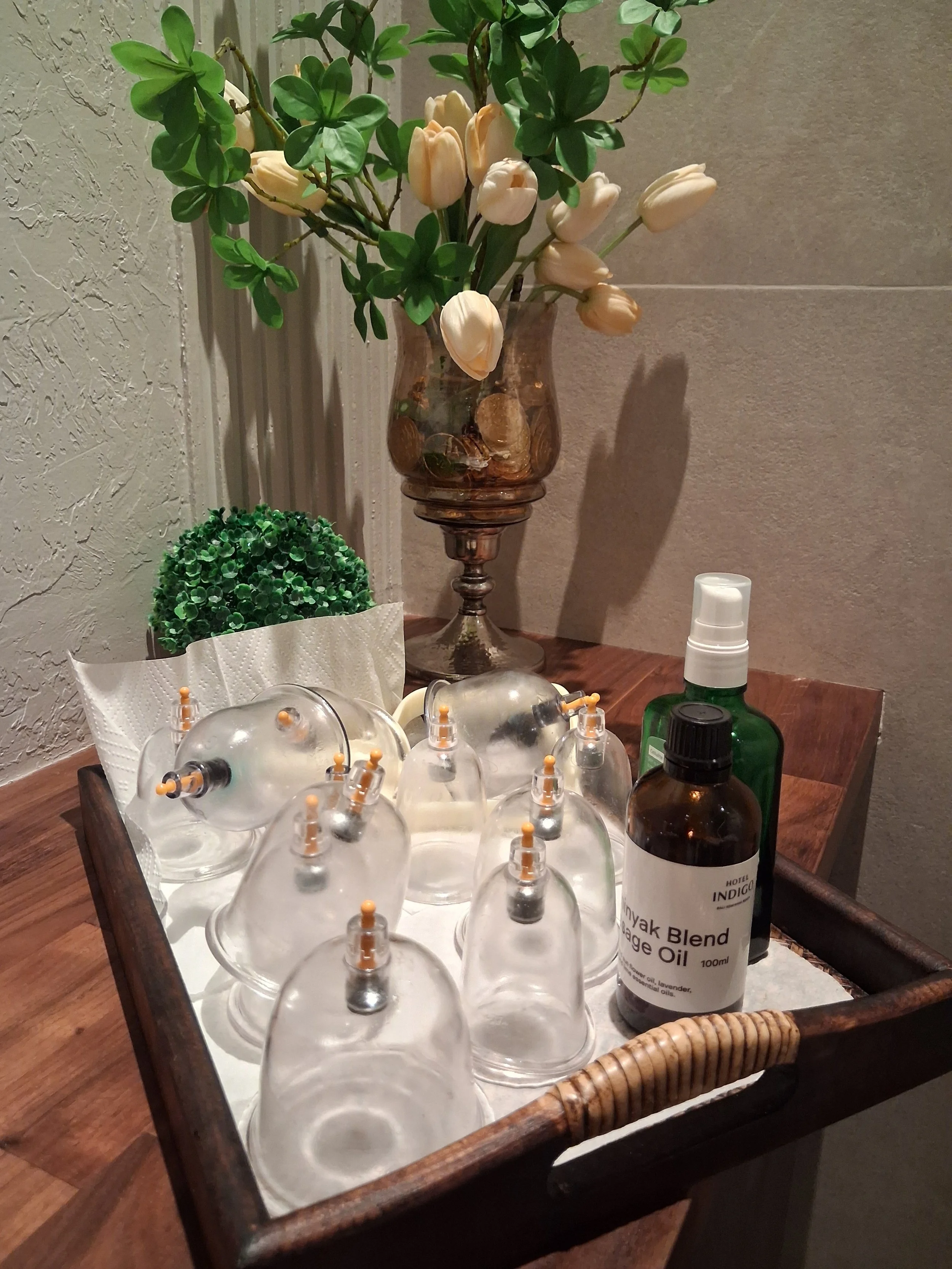
She pressed the cups into my back and I felt the pull — deep, slow, deliberate. The stones came after, sitting in places I didn’t know were holding anything until they started letting go.
It hurt. Not the sharp hurt of something wrong, but the kind of hurt that feels like it’s working. Like it’s finding something.
And then she gave me permission to cry. And fifteen minutes later, I did.
I’ve spent over twenty years watching women surrender in my sessions. Under my cane. Under my voice. Women and men who arrived wound tight — controlled, managed, performing — and left something behind in that room or dungeon. Something they’d been carrying so long they’d stopped noticing the weight.
I always understood it. But on that table, I felt it.
And what I’ve been asking myself since is this: how many of us are seeking this — the pain, the pressure, the release — without having a name for what we’re actually looking for?
What happens in the nervous system when the body meets controlled pain
This is not mystical. This is biology.
When the body experiences controlled, deliberate pain — the kind that is consensual, contained, administered with intention — the nervous system does something extraordinary. It floods.
First come the endorphins. The body’s natural opioids, released in response to physical stress, producing a feeling that has been described as warmth, euphoria, disconnection from thought, and profound calm. In the Domme world we refer to this as “sub space”
This is the same chemical response triggered by intense exercise, by orgasm, by certain medications.
Then comes oxytocin — the bonding hormone, released in response to touch and surrender. The body, under safe pressure, interprets the experience as connection. As being held. As being seen.
And then — if the conditions are right, if there is trust, if there is permission — the prefrontal cortex begins to quiet. The part of the brain responsible for self-monitoring, social performance, and the endless management of how we appear to others starts to step back.
What’s left is the body. Just the body. Present, feeling, released from the obligation to hold itself together.
That is what happened to me on that table. That is what has happened to the women in my sessions for over twenty years.
Why women seek pain without knowingthat’s what they’re doing
This is the part most women have never had named for them.
Research on the endorphin response to pain shows that the relief which follows controlled physical stress is chemically identical to the relief that follows emotional release. The body doesn’t separate the physical from the psychological. It responds to pressure — of any kind — with the same cascade of neurochemicals.
Which means: the woman who books a deep tissue massage every time life gets too heavy. The woman who runs until it hurts. The woman who finds herself drawn to intensity in her relationships, in her sex life, in the pressure she places on herself. The woman who, in my sessions, discovers for the first time what it feels like to fully surrender control —
She is often seeking the same thing.
The pain is not the point. The release is the point. The pain is just one of the most direct routes to get there.
What my clients have taught me — and what I learned on that table
I have held women under my cane who arrived with years of tension locked in their bodies. Women who managed everything. Controlled everything. Performed strength so consistently they had forgotten what it felt like to put it down.
My voice gave them permission. The contained intensity of the session gave their nervous system a signal it recognised: this is safe. You can release now.
And they did. Not because they were weak. Because they were finally, briefly, allowed to be human.
The massage therapist did the same thing for me. She saw through the performance before I’d said a word. She named it. She made it safe. And my nervous system — the same nervous system that understands exactly what is happening in my professional work — did what nervous systems do when they’re finally given permission.
It let go.
The question I want to leave you with
Where in your life are you seeking release through pressure — without realising that’s what you’re doing?
The intense workout. The massage that has to hurt to feel like it’s working. The relationships that only feel real when there’s tension. The moments when someone else’s authority, or voice, or presence makes you feel — for the first time in a long time — like you don’t have to hold everything together.
That is your nervous system talking.
And it’s worth listening to.
If this opened something in you — you don’t have to keep carrying it alone.
Kink Therapy sessions are a private, held space to explore what your body has been trying to tell you. Whether that’s through sensation, surrender, or the kind of release you’ve never been given permission to seek — this is where that work happens.
Or if you’re ready to experience the physical sensation — to be held in a space where pressure, pain, and release are understood, contained, and entirely safe —